.jpg)



Motorcycle Insurance for New Riders: What to Expect and How to Pay Less
New to motorcycles? Here's what motorcycle insurance for new riders actually costs in 2026, why premiums are higher, and how pay per mile can cut your bill significantly.
Written by

Team VOOM
Getting your first motorcycle is one of those milestones that sticks with you. The paperwork, the handshake, the first solo ride out of the lot. What most new riders don't expect is the sticker shock that follows when they start shopping for motorcycle insurance.
The truth is, motorcycle insurance for new riders tends to cost more than for experienced riders. But it doesn't have to drain your budget if you understand what drives the price and how to structure your coverage smartly.
Why New Riders Pay More
Insurers base rates on risk, and new riders statistically have more accidents than experienced ones. That's not a judgment. It's actuarial math. Factors that push your premium up when you're just starting out include:
- Your age (younger riders, especially under 25, pay significantly more)
- Your bike choice (high-displacement sport bikes carry much higher premiums)
- Your riding record (zero years of documented experience means no discounts)
- Your location (urban zip codes and states like Michigan, Florida, and New York cost more)
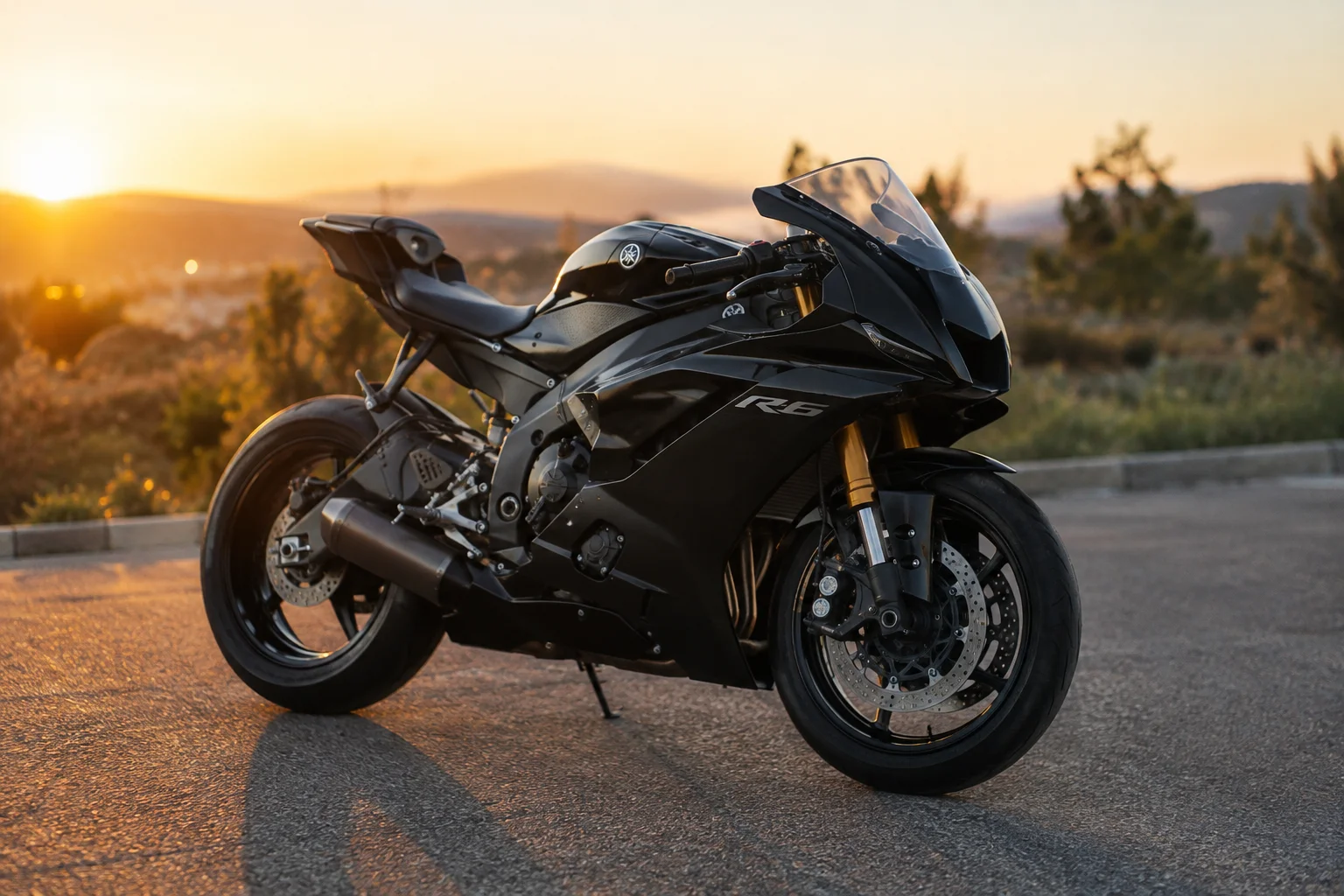
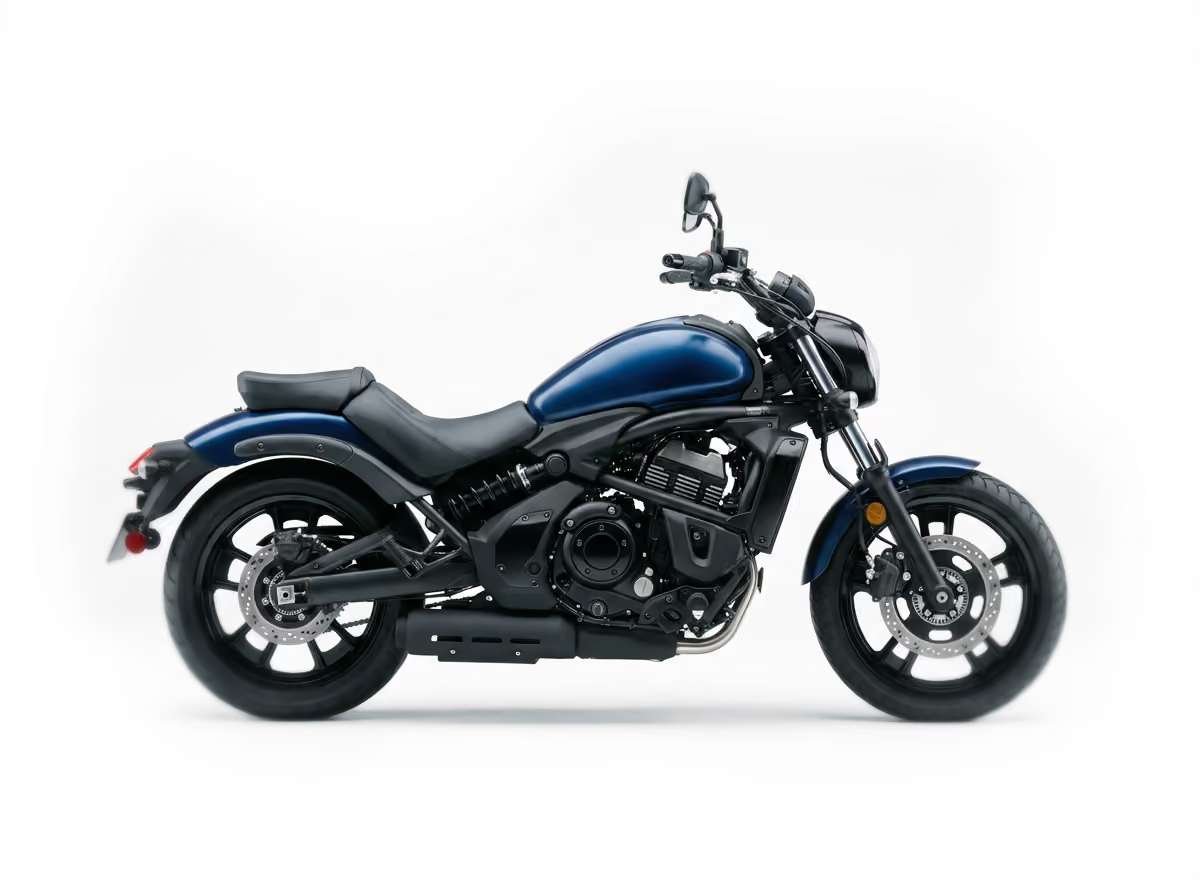
The type of bike matters a lot. A 300cc cruiser and a 1000cc sport bike are not treated equally by insurers. If you're buying your first motorcycle, choosing something modest in power and displacement directly translates to lower premiums. For new riders leaning toward a cruiser, cruiser insurance is worth understanding before you commit to a bike. If you're drawn to performance bikes, be prepared for sport bike insurance to reflect the elevated risk profile insurers assign to high-performance machines.
How Much Should You Actually Budget?
For most new riders in 2026, expect to pay anywhere from $500 to $1,500 per year for a standard full-coverage policy, depending on your state, bike, and age. Liability-only coverage runs lower, but it leaves your bike unprotected in the event of an at-fault accident or theft.
Here's where new riders consistently leave money on the table: they buy a flat-rate annual policy without thinking about how many miles they'll actually ride. If you're not commuting daily, not doing cross-country trips, and riding mostly on weekends, you're paying for miles you'll never put on the bike.
That's the core logic behind pay per mile motorcycle insurance. You pay a low base rate each month plus a small fee for every mile you ride. Low-mileage riders, including most new riders who are still building confidence and time in the saddle, often save 30 to 50 percent compared to traditional flat-rate policies.
Coverage Basics You Need to Know
Standard motorcycle insurance includes a few core components:
Liability: Covers damage or injury you cause to others. Required in most states.
Collision: Covers damage to your bike from an accident, regardless of fault.
Comprehensive: Covers theft, weather damage, and non-collision incidents.
Uninsured/Underinsured motorist: Protects you if the other driver has no coverage. Often overlooked and very worth adding.
As a new rider, comprehensive and collision coverage make sense as long as your bike has meaningful value. Once it depreciates, you can reassess.
Ready to Ride Smarter?
Insurance doesn't have to be the worst part of owning your first motorcycle. Start with the right coverage level for your bike and riding habits, and look hard at whether a usage-based model fits how you actually ride. If you're putting on fewer than 5,000 miles a year, you may be significantly overpaying with a traditional policy.
Get a quote with VOOM and see exactly what your miles cost you.