.jpg)




What Affects Your Motorcycle Insurance Rate
Motorcycle insurance rates vary more than most riders expect. Here is what actually drives your premium and how pay per mile insurance can lower what you pay.

Written by

Team VOOM
The Factors That Determine Your Premium
Insurers look at several things when calculating your motorcycle insurance rate. Your age and riding history carry significant weight. Riders with clean records generally pay less, while recent accidents or violations push premiums up. Your location matters too. Urban areas with higher theft rates or more traffic claims tend to cost more than rural zip codes.
The type of bike you ride has a direct impact. A high-performance sportbike costs more to insure than a standard cruiser because of higher repair costs and a statistically higher accident rate. For riders interested in sport bike insurance, that premium gap can be significant, especially for younger riders.
Storage and security also play a role. A bike kept in a locked garage carries less risk than one parked on the street, which can translate into a lower rate with some insurers.
Why Mileage Is the Factor Most Riders Overlook
One of the most underweighted variables in standard motorcycle insurance is how much you actually ride. Traditional flat-rate policies treat a rider who clocks 12,000 miles a year the same as one who rides 1,500. The premium is nearly identical, even though the exposure is not.
This is where pay per mile motorcycle insurance works differently. Instead of charging a flat annual rate regardless of use, VOOM charges a low base rate plus a small fee per mile ridden. If you ride less, you pay less. The math works in your favor if your bike sits in the garage for weeks at a time.
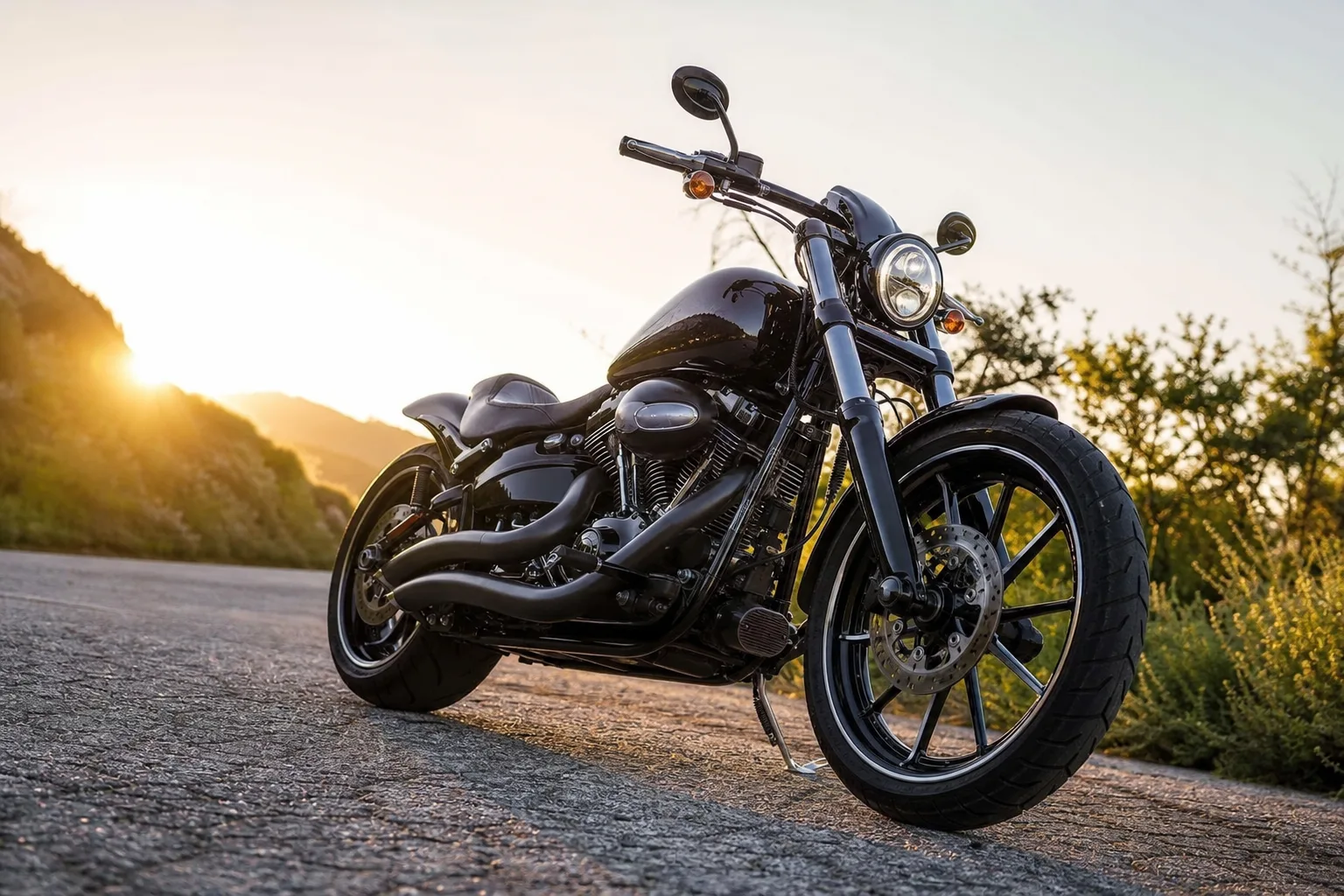
Riders who carry cruiser insurance on bikes they ride mostly on weekends or during warmer months are especially likely to overpay under a flat-rate model. The same applies to anyone with a second bike that only comes out occasionally.
How to Lower What You Pay
A few things can help bring your rate down. Completing a recognized safety course often qualifies you for a discount. Choosing a higher deductible reduces your premium but increases out-of-pocket costs if you file a claim. Bundling your motorcycle insurance with other policies sometimes helps, depending on the insurer.
The most direct lever for low-mileage riders is switching to a usage-based model. If your annual mileage is below 3,000 to 4,000 miles, a flat-rate policy is almost certainly charging you for risk you are not generating.
The point is not that traditional insurance is wrong for everyone. It is that the rate you pay should reflect how and how much you actually ride. For riders who do not clock many miles, there is a better fit.
Get a quote at voominsurance.com and see what your rate looks like when it is based on your actual miles.