.jpg)




Cruiser Motorcycle Insurance: Why Harley and Cruiser Riders Often Overpay
Cruiser riders often pay flat-rate premiums for bikes that sit most of the year. Here is why pay per mile motorcycle insurance is a better fit for Harley and cruiser owners.
Written by

Team VOOM
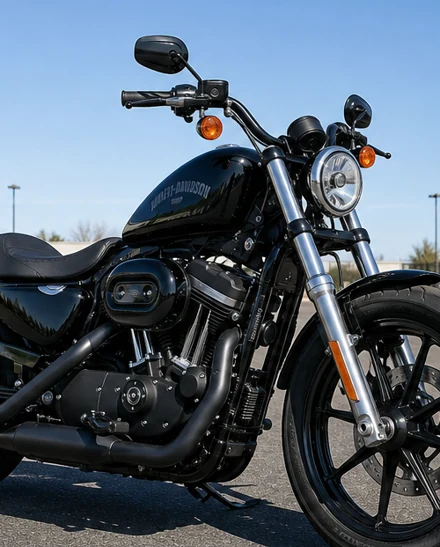
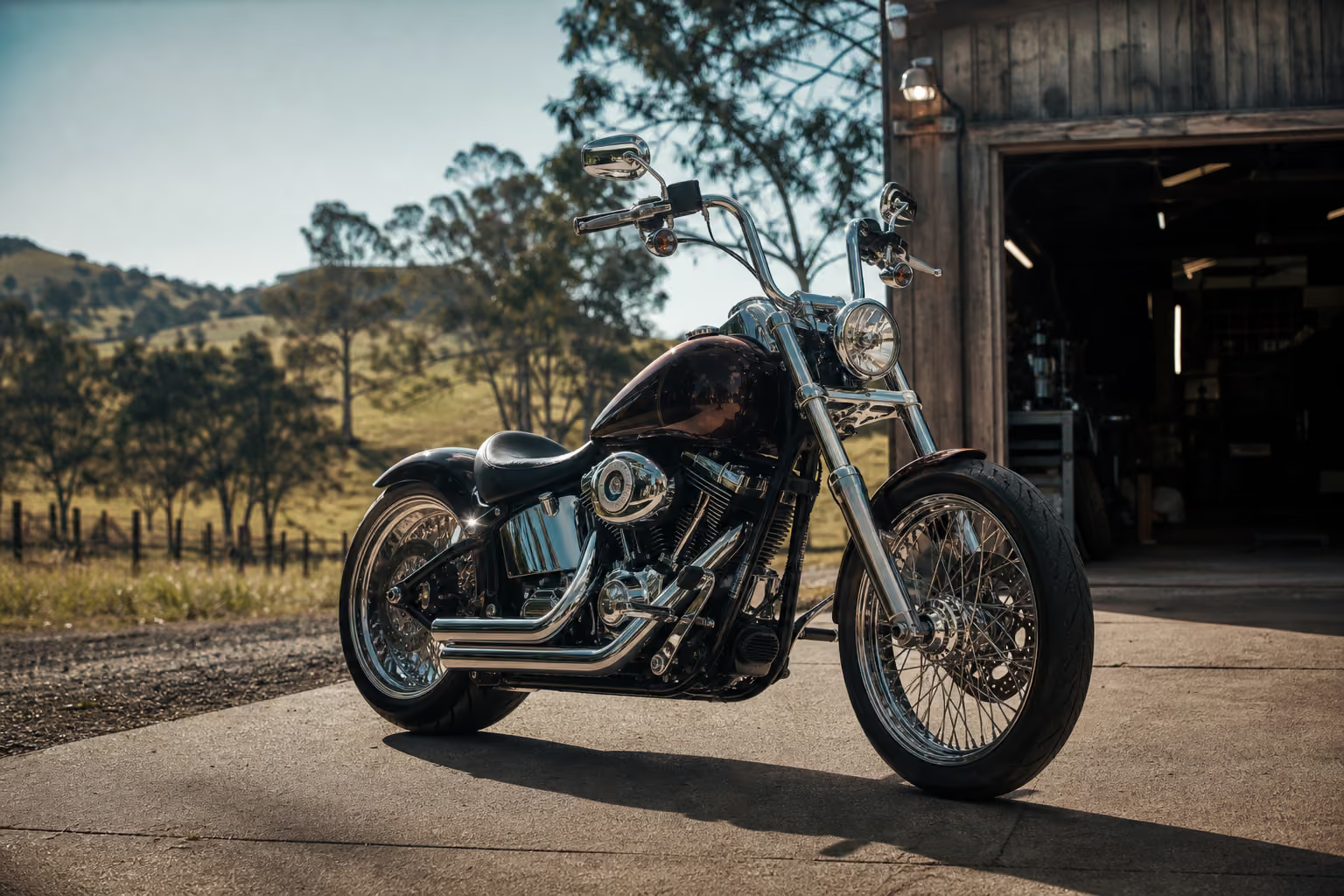
Cruiser riders tend to love their bikes deeply and ride them selectively. A Sunday morning on the back roads, a few summer weekends, maybe a longer trip in the fall. The rest of the time, the bike sits. That pattern is exactly why flat-rate motorcycle insurance rarely works in your favor.
How Flat-Rate Insurance Works Against You
Traditional motorcycle insurance charges you one fixed annual or monthly premium, regardless of how much you ride. For a daily commuter putting 12,000 miles a year on a sport bike, that model makes sense. For a cruiser owner who clocks 2,000 miles in a good season, you are paying roughly the same rate for a fraction of the exposure.
Cruisers like Harley-Davidson, Indian, and Honda Shadow models typically cost between $300 and $700 per year to insure under traditional policies. For many riders, that comes to hundreds of dollars in premiums paid during months when the bike never leaves the garage. You are not riding, but the bill keeps coming.
The math gets worse the less you ride. A rider putting in 1,500 miles a year might be paying the same base rate as someone doing 8,000. Flat-rate insurance does not account for that gap.
What Pay Per Mile Changes
Pay per mile motorcycle insurance ties your cost directly to your actual mileage. You pay a low base rate each month (as low as $3 at VOOM), then a small per-mile fee for every mile you ride. Months when the bike is parked, your bill stays near the floor.
For cruiser riders, this is a structural fix. Your coverage does not disappear when you are not riding. You are still fully insured against theft, fire, and liability. You just stop paying as if you are riding every day when you are not.
The savings add up fast for low-mileage riders. Riders logging under 3,000 miles per year can save 40 to 60 percent compared to traditional flat-rate cruiser insurance. For seasonal riders who park between November and March, the difference over a few years is worth noting.
Cruiser Owners Who Benefit Most
Not every rider fits this model, but a few profiles see the biggest impact:
Weekend riders who ride Saturday mornings and the occasional evening run. Over a full year, the mileage is genuinely low, and a flat rate penalizes that.
Collectors with one or two bikes that rotate depending on the season or mood. Traditional policies charge full price on each. Pay per mile charges you for what each bike actually sees.
Riders in colder climates who genuinely park for three to five months a year. Winter months under a flat rate are money spent on insurance for a bike in storage.
If any of these describe how you ride, it is worth getting a quote and comparing the numbers directly.
The Right Coverage Still Matters
Switching to pay per mile does not mean trading down on protection. VOOM's affordable motorcycle insurance covers liability, collision, comprehensive, and uninsured motorist, the same structure you would expect from a standard policy. The difference is only in how the premium is calculated.
If you ride a cruiser and you are honest about how many miles you actually put on it each year, pay per mile is worth a close look. The model was built for riders who use their bikes selectively, and cruiser riders fit that description more often than not. Get a quote at voominsurance.com and see what the number actually looks like for your riding habits.