.jpg)




What Does Motorcycle Insurance Actually Cost in 2026?
How much does motorcycle insurance cost in 2026? See what riders actually pay, what drives rates up or down, and how pay per mile insurance can cut your bill significantly.

Written by

Team VOOM
One of the most common questions riders search before buying a motorcycle is straightforward: how much does motorcycle insurance cost? The honest answer is that it depends, but not on factors you can't control. Understanding what drives your rate gives you real leverage over what you pay.
What Riders Are Actually Paying in 2026
Average annual motorcycle insurance premiums in the US range from around $200 to over $1,500 depending on the type of bike, your location, riding history, and the coverage you choose. Liability-only policies for an experienced rider on a modest bike can run as low as $15 to $30 per month. Full coverage on a sport bike for a younger rider can push past $100 per month.
These ranges exist because traditional insurers use flat-rate pricing. They estimate how much a typical rider with your profile rides and price accordingly. The problem is that most riders are not typical. A 2025 VOOM study found that nearly half of US motorcyclists ride fewer than 1,000 miles per year. If you fall into that group, a flat-rate policy means you are paying for miles you never put on the odometer.
This is where pay per mile motorcycle insurance changes the math. Instead of a fixed annual premium, you pay a low monthly base rate plus a per-mile fee for actual miles ridden. Riders who clock fewer than 3,000 miles per year typically save 30 to 50 percent compared to flat-rate policies.
What Drives Your Rate Up or Down
Several factors affect what you pay, regardless of which insurer you choose.
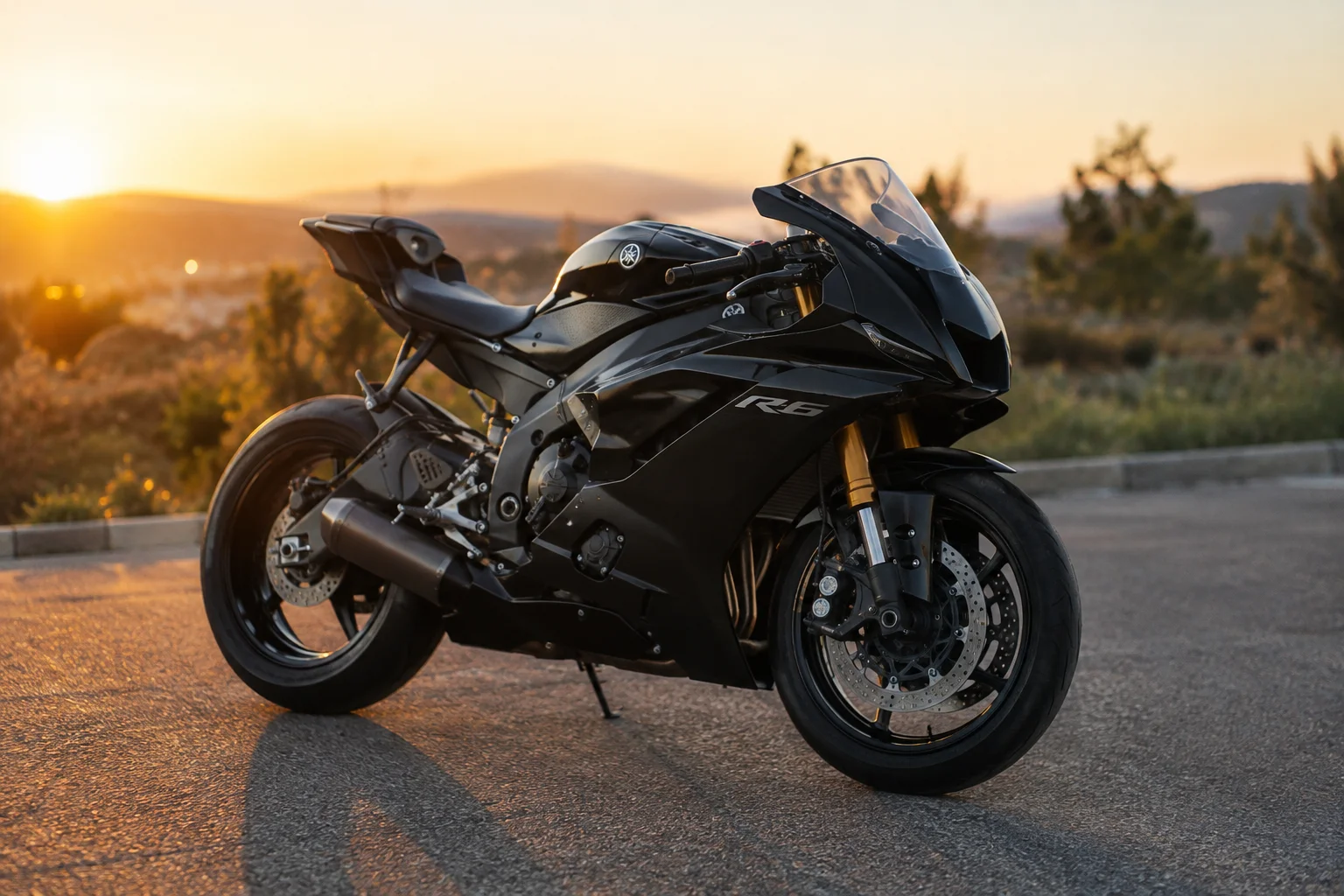
Bike type. A cruiser sitting in the garage on weekdays costs less to insure than a high-performance sportbike. Cruiser insurance tends to carry lower base rates because the risk profile differs from a track-ready machine. Sport bike insurance carries higher premiums because the bikes attract a different riding pattern and accident profile.
Your riding history. Clean records mean lower rates. A single at-fault accident can add 20 to 40 percent to your premium with traditional carriers. With usage-based insurance, your per-mile rate reflects your actual risk profile rather than what the average rider in your ZIP code looks like.
Coverage type. Liability-only is the minimum required in most states and the cheapest option. Comprehensive and collision add meaningful cost but protect your bike from theft, weather, and accident damage. If your bike is financed, your lender will likely require full coverage.
Location. Riders in dense urban areas with higher theft and accident rates pay more. Riders in rural areas typically pay less. This is one factor that is genuinely hard to work around with flat-rate pricing, but usage-based models can still offset it by tying cost to actual riding behavior.
How to Lower What You Actually Pay
The most direct way to reduce your motorcycle insurance cost is to match your policy structure to how you actually ride. If you put fewer than 4,000 miles per year on your bike, a flat annual premium is almost certainly overcharging you.
At VOOM, the process is simple: a low monthly base rate, a monthly odometer photo, and a per-mile fee for what you actually rode. No telematics hardware, no complicated claims process. Riders who switch from flat-rate policies to motorcycle insurance through VOOM typically see meaningful savings within the first policy period.
Ready to find out what you would actually pay? Get a quote at voominsurance.com and see how your real riding habits translate into a real rate.