.jpg)



Motorcycle Insurance for New Riders: What to Expect and How to Pay Less
First-time motorcycle riders face higher insurance rates than most expect. Here is what drives the cost in year one, what coverage you actually need, and how to pay less based on how much you actually ride.
Written by

Team VOOM
Motorcycle Insurance for New Riders: What to Expect and How to Pay Less
Getting your first motorcycle is exciting. Getting your first insurance quote is usually less so. Rates for new riders run higher than most people expect, and the reasons behind that number are not always obvious. Here is what actually drives your premium in year one, and what you can do to keep costs reasonable from the start.
Why New Rider Insurance Costs More
Insurers price risk. A new rider with fewer than two years of experience on a motorcycle is statistically more likely to be involved in an accident than someone with a decade of riding behind them. That risk gets baked into your premium whether you like it or not.
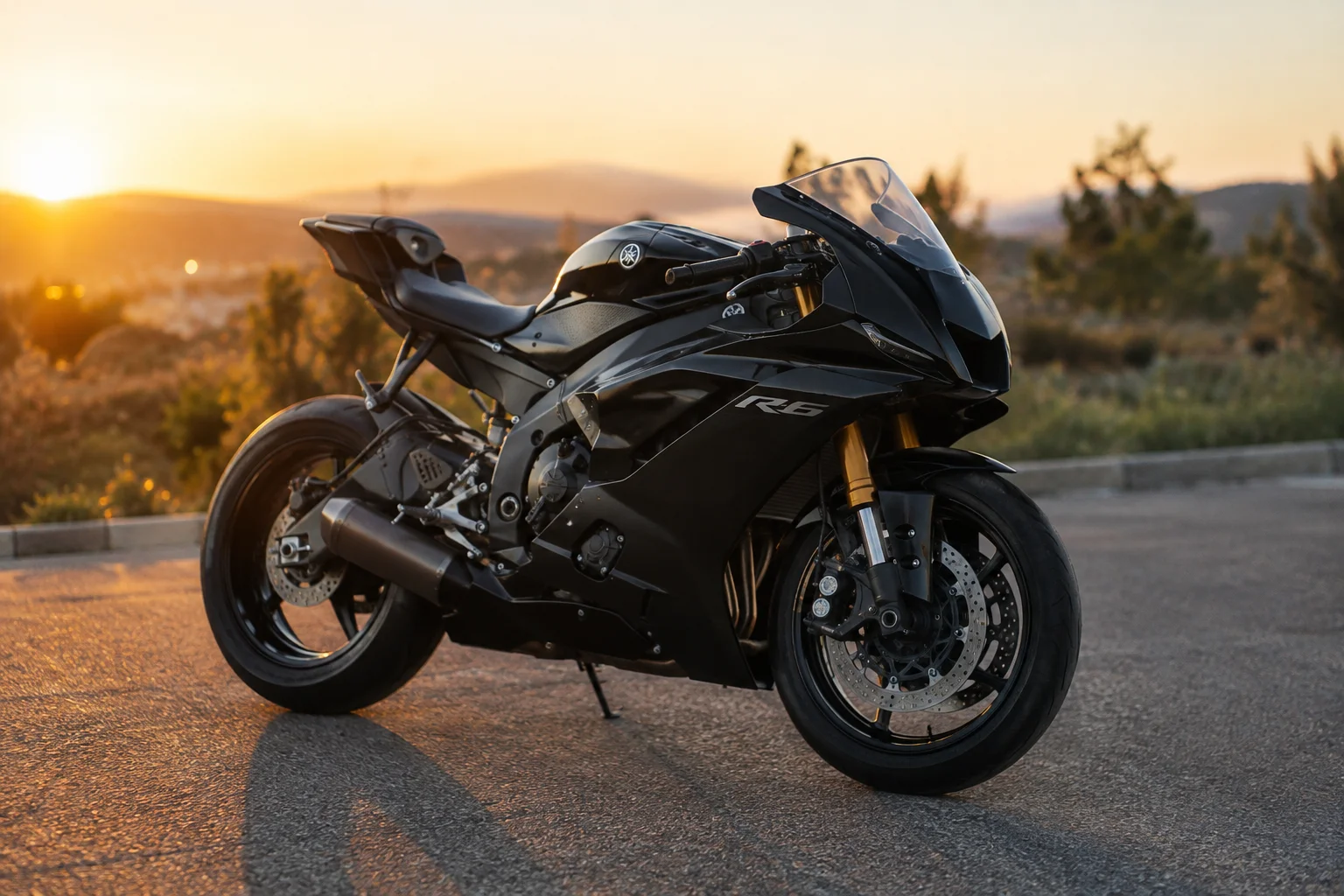
Your bike plays a large role too. A 600cc sport bike and a 300cc standard motorcycle will not cost the same to insure, even with identical riders. High-displacement engines, performance-oriented designs, and bikes with expensive parts all push rates up. If you are buying your first motorcycle and cost matters, your bike choice is one of the biggest insurance levers you have.
Where you live is another factor. Riders in urban areas pay more than riders in rural states. A history of theft claims in your zip code, congested traffic, and higher accident frequency all factor into what you pay for motorcycle insurance.
What Coverage Do New Riders Actually Need?
Most states require liability coverage at a minimum. That pays for damage or injuries you cause to someone else in an accident. It does not cover your own bike or your medical bills. For a first bike, many new riders start with liability-only to keep costs down, especially if the motorcycle is older and not worth much.
Comprehensive and collision coverage makes sense if your bike has real value. Comprehensive covers theft, weather damage, and incidents that are not crash-related. Collision covers your bike when you hit something or something hits you. Together, they are sometimes called full coverage, though that term is not official.
The honest question every new rider should ask is: how often will I actually ride? If you are getting on the bike every weekend but not commuting daily, you may be paying for more miles than you use. That is where pay per mile motorcycle insurance changes the math. Instead of a flat annual rate calculated on assumptions about how far you ride, you pay a low base rate and then only for the miles you actually log. For new riders who are still building confidence and riding on weekends or fair-weather days, this model typically costs significantly less than a traditional policy.
How to Lower Your Rate as a New Rider
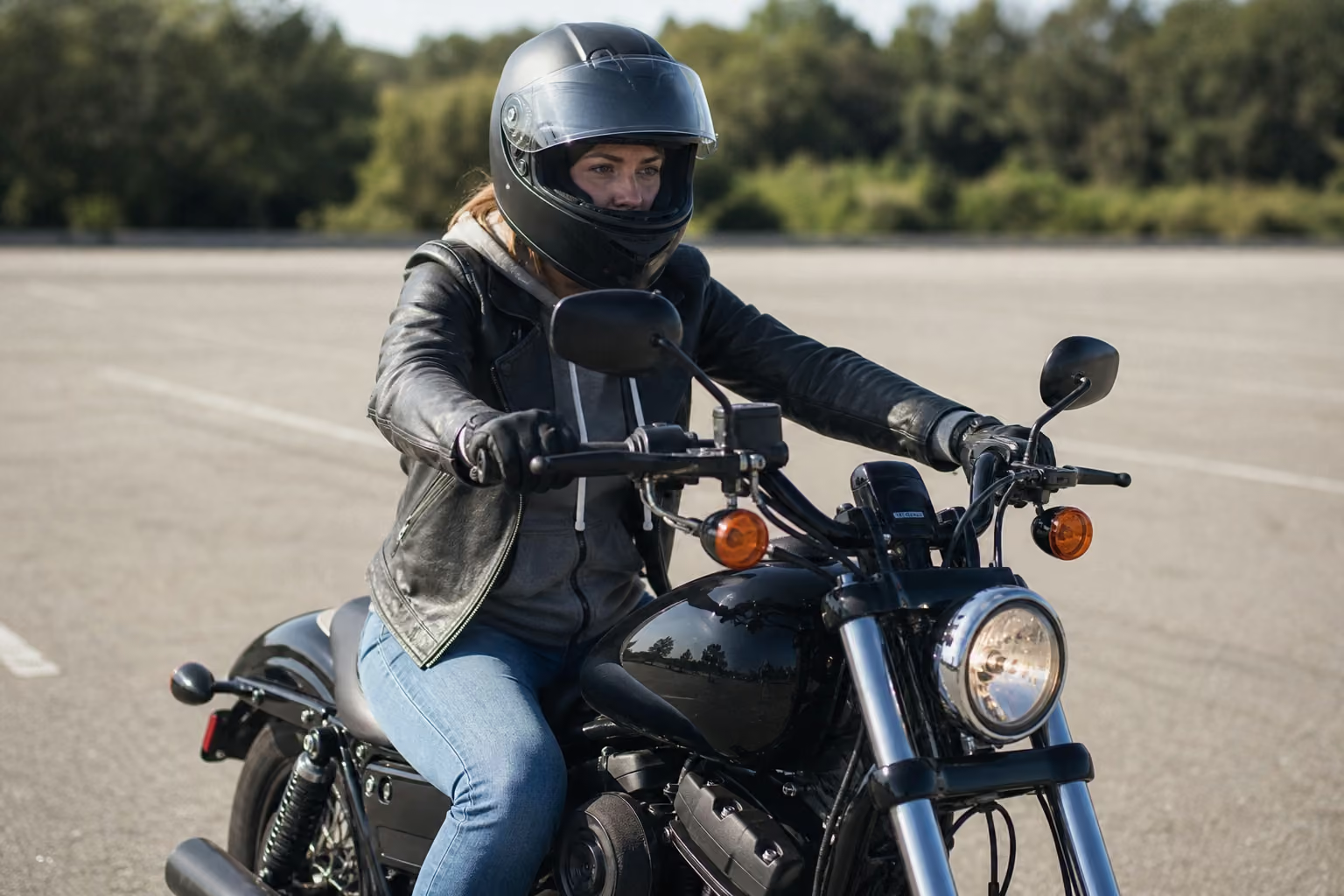
Taking a motorcycle safety course like MSF (Motorcycle Safety Foundation) is one of the fastest ways to lower your first-year premium. Most insurers offer a discount for completing the course, and some states require it for new license holders anyway.
Keeping your first bike modest also helps. A used cruiser or a standard-class motorcycle will cost less to insure than a brand-new sport bike. The lower the bike value and performance tier, the lower your rate.
Storage matters too. Parking your bike in a locked garage rather than on the street reduces theft risk, which reduces your premium.
If you do not plan to ride every day, look seriously at a pay-per-mile model. New riders often ride less than they expect in year one while they get comfortable, which means a flat-rate policy can end up being a poor deal. Paying only for miles ridden keeps your cost tied to actual use rather than what an insurer assumes about you.
Ready to see what motorcycle insurance actually costs based on how you ride? Get a quote at voominsurance.com.